
Introduction to Free Online Courses
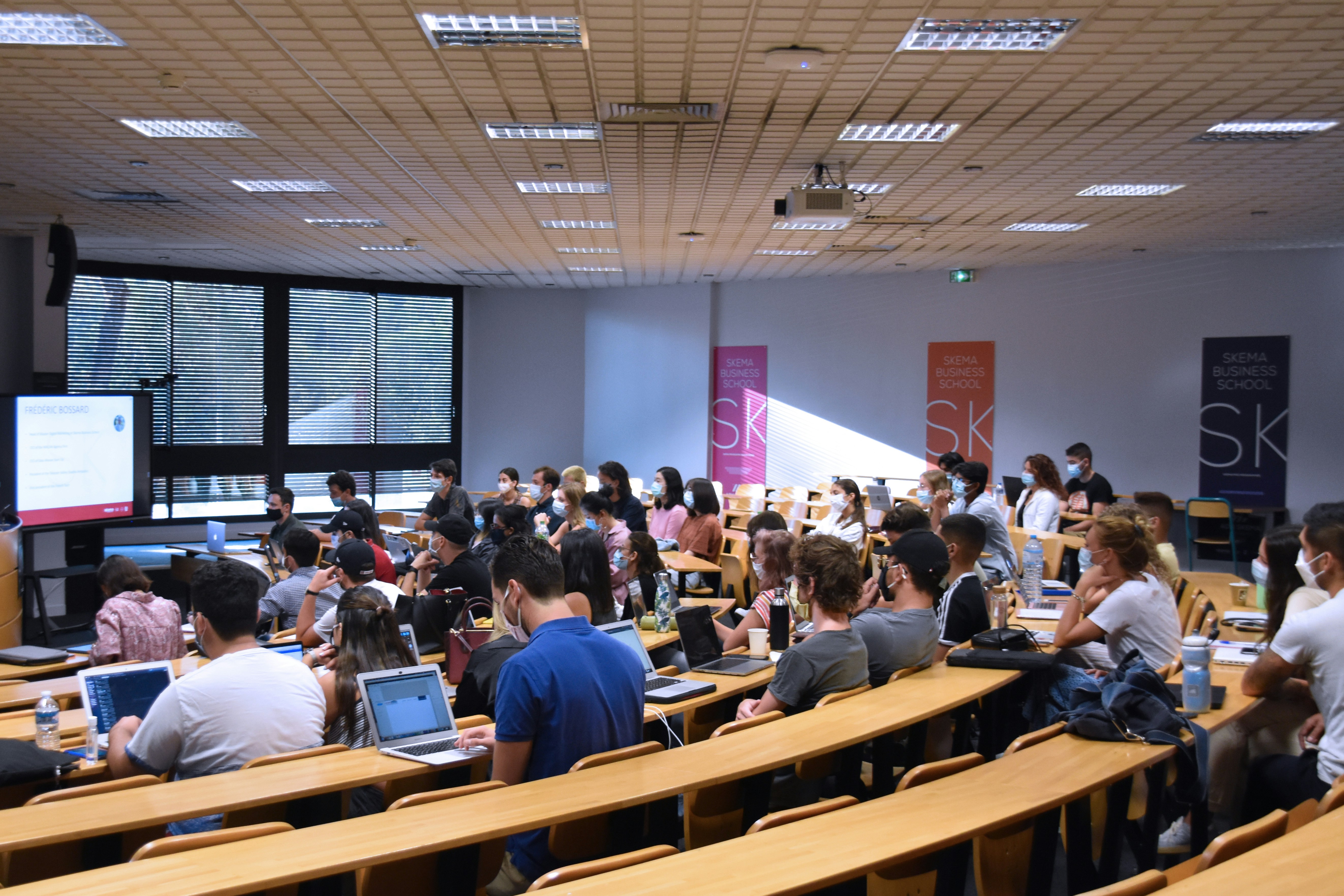
In recent years, the landscape of education has undergone a profound transformation, with the emergence of free online courses playing a pivotal role in this evolution. These courses have become an accessible pathway for students across the globe, offering vast opportunities to advance their knowledge and skills without the constraints of traditional education models. As higher education continues to rise in cost, free online courses provide a flexible and cost-effective solution, catering to the needs of modern learners who seek to enhance their qualifications.
The rise of online education is primarily fueled by its adaptability. Students can now pursue various fields of study at their convenience, fitting learning into busy schedules. This shift has sparked a growing trend in lifelong learning, emphasizing the importance of continuous education as the job market and technology rapidly evolve. As industries require new competencies, individuals are turning to online learning platforms to acquire relevant skills that meet current demands.
However, traditional learning environments present several challenges. Many students find conventional educational settings restrictive due to fixed schedules, physical attendance requirements, and high tuition fees. These barriers can hinder academic potential and delay skill acquisition. In contrast, free online courses offer a self-paced learning experience that accommodates diverse learning styles and schedules. This flexibility empowers students to take charge of their educational journey, prioritizing subjects that align with their personal or professional aspirations.
Overall, free online courses represent a significant advancement in the accessibility of education, catering to the diverse needs of today’s learners. Their growing relevance in the educational ecosystem indicates a shift toward a more inclusive and adaptive model of learning, where opportunities for skill development are available to everyone, regardless of background or circumstances.
Criteria for Selecting the Best Online Courses
When evaluating free online courses for students, it is essential to consider several criteria that will ultimately influence the learning experience. One of the most significant factors is the quality of the course content. High-quality materials should be comprehensive, current, and engaging, providing students with valuable insights and knowledge applicable to their studies and future careers.
Another crucial criterion is accreditation. Courses offered by reputable institutions or organizations ensure that the content is recognized and respected within the academic and professional communities. Accreditation can also indicate that a course meets certain educational standards, which supports students in their quest for quality learning.
Teaching methodologies play a pivotal role in the effectiveness of an online course. A diverse approach to teaching—such as incorporating multimedia, interactive content, and real-life scenarios—can enhance engagement and facilitate better understanding among students. This variety helps cater to different learning styles, making the course more accessible to a broader audience.
The reputation of the platform hosting the course is another pivotal consideration. A reputable platform often provides a seamless user experience, reliable technical support, and a community for learners to interact. Additionally, student reviews can offer insights into what prospective learners can expect, highlighting strengths and potential weaknesses of a course.
Finally, it is vital for students to align their selected courses with personal goals and career aspirations. Tailoring educational choices to individual needs can enhance motivation and increase the likelihood of success. By considering these criteria—course content quality, accreditation, teaching methodologies, platform reputation, and student reviews—students can confidently navigate the plethora of options available and choose the courses best suited to their learning journey.
Top 10 Free Online Courses for Skill Development
In the dynamic landscape of 2026, online learning continues to evolve, offering students and professionals alike a plethora of free courses tailored to enhance various skills. Below is a curated list of the top ten free online courses that focus on skill development across diverse fields.
1. Python for Everybody (Coursera)
This course, created by the University of Michigan, teaches programming fundamentals using Python. It is ideal for beginners interested in data analysis or web development.
2. Digital Marketing Essentials (Google Digital Garage)
Offered by Google, this course covers the basics of digital marketing, including SEO, SEM, and social media strategies. It’s highly beneficial for those looking to enter the marketing field.
3. Introduction to Data Analysis (edX)
Provided by Microsoft, this course is designed to introduce participants to key data analysis concepts and techniques. Business analysts and aspiring data scientists will gain valuable insights here.
4. Personal Finance Basics (Khan Academy)
This course is focused on basic financial principles, covering budgeting and saving. It’s particularly beneficial for college students learning to manage their finances.
5. Graphic Design Principles (Coursera)
Led by California Institute of the Arts, this course covers essential graphic design principles and tools. It is perfect for those interested in pursuing a career in design.
6. Introduction to HTML and CSS (Codecademy)
This course targets individuals looking to build and style websites. It fits anyone from absolute beginners to those seeking a refresher in web development.
7. Foundations of Mindfulness (FutureLearn)
Aimed at fostering personal development, this course teaches mindfulness practices. It is particularly useful for individuals seeking to enhance their mental well-being.
8. Excel for Beginners (Alison)
This course offers an introduction to the functionality of Microsoft Excel, suitable for students or professionals needing to improve their spreadsheet skills.
9. Introduction to Cybersecurity (Cisco Networking Academy)
This course explores cybersecurity fundamentals and practices. It’s an excellent choice for individuals interested in a career in IT and security.
10. Effective Communication in the Workplace (LinkedIn Learning)
Focusing on communication strategies, this course equips learners with essential interpersonal skills required in a professional setting, suited for any workforce entrant.
Each of these courses aims to equip students with essential skills for their career progression and personal growth. With opportunities ranging from technical programming skills to soft skills such as effective communication, learners can select courses that best fit their educational needs and career ambitions.
The Future of Online Learning and Its Impact on Students
The landscape of education is undergoing a profound transformation as technology continues to evolve, heralding a new era of online learning that will significantly impact students. Remote learning has increasingly become prevalent, spurred by advancements in digital platforms and a global shift towards a more flexible approach to education. As a result, students are now presented with diverse options that extend beyond traditional classroom boundaries.
Emerging trends in online learning indicate a growing acceptance from employers, who are acknowledging the value of skills acquired through virtual education. This acceptance is crucial in a job market that increasingly demands adaptability and continuous learning. Students who engage in free online courses not only broaden their knowledge base but also enhance their employability by acquiring skills relevant to industry trends. As organizations pivot towards digital solutions, having a robust online education background will likely become a significant differentiator in job applications.
Furthermore, the potential for lifelong learning is expanding. Online platforms are enabling learners of all ages to access knowledge at any stage of their careers. This adaptability fosters a culture of proactive education, encouraging students to continuously seek out new courses and skills to remain competitive. By taking the initiative to explore various online learning opportunities, students are better equipped to navigate the complexities of the modern workforce.
In summary, the future of online learning looks promising, underscoring the necessity for students to embrace these resources. By doing so, they position themselves to succeed in an ever-evolving job market, ensuring they remain relevant and well-prepared for future challenges. As education becomes more accessible, it is imperative for students to harness the opportunities that online courses present, paving the way for a brighter and more informed future.