

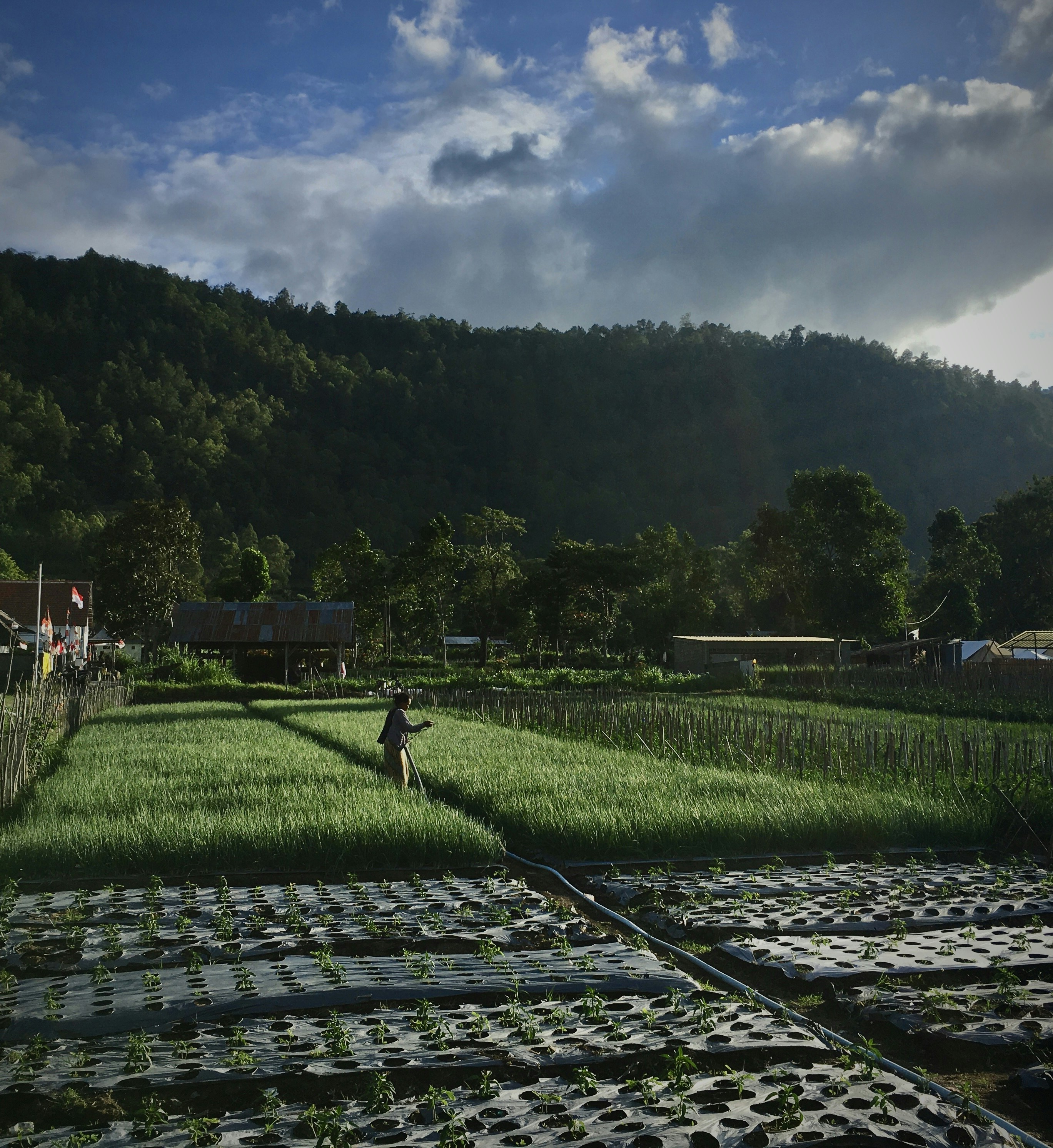
Understanding Agriculture as a Career Field
Agriculture plays a pivotal role in the global economy, serving as the backbone of food production, supply chains, and rural development. As one of the oldest professions known to humanity, it has evolved dramatically over the centuries, in tandem with advances in technology and changes in societal needs. This evolution has transformed the agriculture sector into a multifaceted field that transcends mere farming, incorporating aspects such as biotechnology, agribusiness, environmental science, and sustainable practices.
The importance of agriculture in society cannot be overstated. It not only feeds the population but also supports various related industries, from logistics to marketing. Furthermore, agriculture contributes to economic stability and development, especially in developing regions, where it is often a primary source of income and employment. With the rise of global challenges such as climate change and food security, the sector is continuously seeking innovative solutions to address these issues, leading to an expansion in career opportunities.
In summary, the agriculture sector presents a wide array of career opportunities for students after completing their 12th grade. Understanding the multifaceted nature of agriculture and its critical role in the economy can help students choose viable, fulfilling career paths that contribute to both personal growth and societal advancement.
Educational Courses Available for Agriculture Students
After completing the 12th grade, students pursuing a career in agriculture have various educational courses to choose from. These programs not only equip students with essential knowledge but also prepare them for future employment opportunities in various sectors of agriculture.
One of the primary options available is the diploma courses in agriculture. Typically lasting one to two years, these courses cover foundational subjects such as agronomy, horticulture, plant pathology, and agricultural economics. Diplomas are suited for students who wish to enter the workforce quickly, often leading to entry-level positions in agro-based industries or farming operations.
For those seeking deeper knowledge, degree programs offer an excellent pathway. Bachelor’s degrees in fields like Agricultural Science, Horticulture, and Animal Husbandry span three to four years. During these programs, students engage with more advanced topics such as soil management, pest control, sustainable practices, and advanced agricultural technologies. These degrees are often prerequisites for higher-level positions in research, management, and policy-making within the agriculture sector.
In addition to traditional programs, specialized training options are also available. These more focused courses might include topics like organic farming, precision agriculture, or agroforestry. Short-term certificate programs typically last from a few months to a year and are designed to provide practical skills that can immediately be applied in the field. Specialized training helps students tailor their education to specific interests while enabling them to meet industry demands.
Overall, the variety of educational courses available after 12th grade equips agriculture students with the necessary skills and knowledge, allowing them to find fulfilling careers in an ever-evolving industry.
Top Universities and Institutions for Agriculture Studies
For students pursuing a career in agriculture, selecting the right university or institution is crucial. Numerous esteemed universities across the globe provide specialized programs in agriculture, equipping students with the necessary knowledge and skills to thrive in this dynamic field.
One of the leading institutions is the University of California, Davis, known for its robust agricultural sciences program. UC Davis offers a variety of undergraduate degrees such as Plant Sciences, Agricultural Business, and Environmental Horticulture. Admission requirements typically include a high school diploma with an emphasis on science and mathematics courses, along with standardized test scores.
Another renowned university is the Texas A&M University, which features a comprehensive College of Agriculture and Life Sciences. The agricultural programs here focus on both the practical and theoretical aspects of agriculture, encouraging hands-on learning. Potential applicants should demonstrate academic excellence and a passion for agricultural studies in their application process.
In Canada, the University of Guelph stands out with its innovative approach to agriculture education. The university offers various undergraduate degrees in areas such as Food, Agricultural Resource Economics, and Plant Agriculture. Admission requirements include completion of high school with specific courses in science. The faculty at Guelph includes many recognized leaders in agriculture and sustainability.
Internationally, Wageningen University & Research in the Netherlands is noted for its specialized agricultural programs, emphasizing research and development. Students are encouraged to engage in global agricultural challenges and solutions, thus driving the need for high academic credentials and research-oriented projects as part of the admission criteria.
These universities are preferred by students due to their outstanding faculty, research opportunities, and comprehensive programs that address both local and global agricultural issues. By enrolling in these institutions, agriculture students enhance their career prospects significantly, gaining valuable insights and skills relevant to the field.
Skill Development in Agriculture Education
In the ever-evolving agricultural sector, the demand for skilled professionals is growing at an impressive rate. As agriculture students embark on their educational journey post-12th grade, it is vital for them to focus on developing a comprehensive skill set that encompasses both hard and soft skills. These skills not only enhance their employability but also prepare them for the challenges they will face in the industry.
Hard skills in agriculture education primarily encompass technical knowledge related to various aspects of farming and agronomy. Students should cultivate expertise in sustainable farming practices, soil management, crop production, and pest control techniques. Such knowledge is pivotal in addressing real-world agricultural challenges, as it empowers professionals to make informed decisions and implement effective agricultural practices. Moreover, proficiency in the use of technological tools, such as precision farming equipment and data analysis software, is increasingly becoming a necessity, as it allows for improved efficiency and productivity in farming operations.
Equally important are the soft skills that agriculture students must develop. Strong communication skills are crucial for effective interaction with farm workers, stakeholders, and customers. Additionally, leadership abilities are essential for those aspiring to take on managerial roles within agricultural organizations. The capability to work collaboratively within a team fosters a positive work environment, which is critical in achieving common goals within the agricultural sector. Critical thinking and problem-solving skills are also fundamental, as they enable individuals to navigate the complexities of modern agriculture and devise innovative solutions.
By focusing on both hard and soft skill development during their studies, agriculture students can significantly enhance their employability and stand out in a competitive job market. This dual approach not only prepares them for immediate employment but also equips them with essential life skills that will benefit their careers in the long term.
Internship and Practical Training Opportunities
For agriculture students, internships and practical training are pivotal components that significantly enhance educational experiences and career readiness. These opportunities provide students with invaluable hands-on experience in real-world agricultural settings, allowing them to apply theoretical knowledge acquired in the classroom to practical situations. Engaging in internships not only helps to solidify the understanding of various agricultural practices but also equips students with essential skills that are highly regarded by future employers.
Internships in agriculture come in various forms, ranging from working on farms and research institutions to participating in agribusiness firms. Such experiences facilitate networking with industry professionals, an aspect that should not be overlooked. Networking can lead to mentorship opportunities, collaborations, and ultimately job placements post-graduation. Furthermore, many organizations offer structured internship programs designed specifically for agriculture students, which can include training on the latest agricultural technologies, sustainable practices, and crop management techniques.
Moreover, practical training as part of agricultural education emphasizes the significance of being adaptable in an ever-evolving industry. The agriculture sector is experiencing rapid technological advancements, and internships often introduce students to cutting-edge methodologies and innovations. Familiarity with modern technologies increases their competitiveness in the job market, thereby improving job prospects significantly.
In addition, students who participate in internships often find enhanced confidence in their abilities as they navigate real-life challenges. They gain exposure to different career pathways within agriculture, which helps clarify their professional aspirations and specializations. Overall, internships and practical training serve as a crucial stepping stone in bridging academic knowledge with industry application, ultimately sculpting a well-rounded agricultural professional.
Job Opportunities in the Agriculture Sector
The agriculture sector offers a diverse range of job opportunities for graduates, catering to various interests and skill sets. With the increasing global focus on sustainable practices and food security, the demand for skilled professionals in agriculture continues to grow. Graduates can explore career paths in several domains, including research, farming, agribusiness, and government services.
In the realm of research, agriculture graduates can work as agricultural scientists, extending their expertise to improve crop yields and develop sustainable farming practices. These professionals often collaborate with universities or research institutions and may engage in extensive fieldwork. Jobs in agricultural research typically offer competitive salaries, starting at around INR 4 to 6 lakhs per annum, with potential for significant growth through promotions to lead research roles or managerial positions.
For those inclined towards practical approaches, positions in farming management can be highly rewarding. Roles such as farm manager or agronomist allow individuals to oversee daily operations on farms or specific crop sectors. Responsibilities may include managing labor, optimizing resources, and implementing innovative farming techniques. The average salary for a farm manager can vary significantly based on location and scale, ranging from INR 5 to 10 lakhs per annum, with prospects for increased earnings as experience is gained.
Agribusiness is another thriving area for agriculture graduates. Roles such as marketing executive, supply chain manager, or agricultural consultant are pivotal in connecting producers with consumers. These positions require insights into market trends and agricultural economics, and typically offer salaries that start at INR 3 to 8 lakhs per annum.
Lastly, government services continue to be an essential career outlet for agriculture graduates. Positions within agricultural departments at local, state, and central levels often offer job security and a structured career path. Salaries in government roles vary but generally start around INR 5 lakhs, with additional benefits and allowances enhancing overall compensation.
In conclusion, with a solid foundation in agricultural studies, graduates can find rewarding careers across multiple sectors, each with its unique set of challenges, responsibilities, and growth potentials.
Entrepreneurship in Agriculture
Entrepreneurship in agriculture presents a dynamic career path for students who have recently completed their 12th grade. With the global demand for food and sustainable agricultural practices continuing to rise, aspiring entrepreneurs can find numerous opportunities to innovate and contribute to the sector. Agriculture students possess unique knowledge regarding crop production, agronomy, and animal husbandry, equipping them to address real-world challenges through their ventures.
One promising area for entrepreneurship is the development of innovative agricultural practices that promote sustainability and efficiency. For instance, students can explore vertical farming, which utilizes limited space and resources to increase crop yield. Another potential avenue is organic farming, which aligns with the growing consumer preference for health-conscious food options. By combining their education with a focus on sustainability, agriculture students can significantly impact the market.
Moreover, agritech solutions, such as mobile applications for crop management or precision agriculture tools, provide fertile ground for start-up ideas. These tech-driven solutions enhance productivity, reduce waste, and optimize resource use, making them attractive to investors. Additionally, students can consider specialized products, such as organic fertilizers or biodegradable packaging, that cater to eco-friendly consumers.
Furthermore, agriculture students can leverage their educational background to develop business models that incorporate traditional knowledge while utilizing modern technology. This integration not only enhances the efficiency of farming practices but also appeals to a broader audience. Networking with fellow graduates, industry experts, and local agricultural boards can foster collaboration and mentorship, ultimately benefiting aspiring entrepreneurs.
In conclusion, entrepreneurship in agriculture offers a promising career path for those passionate about sustainable practices and innovation. By exploring various start-up ideas and leveraging their educational background, agriculture students can contribute to the agricultural landscape significantly and build successful ventures in the process.
Emerging Trends in Agriculture Careers
The agriculture industry is experiencing a significant metamorphosis, influenced by innovative practices and technologies that prioritize sustainability and efficiency. One of the most notable emerging trends in agriculture careers is sustainable farming. This approach emphasizes methods that promote environmental health, animal welfare, and economic viability. As consumers increasingly demand responsibly sourced and environmentally friendly products, professionals skilled in sustainable practices will be immensely sought after. Career paths in this area include roles such as Sustainable Agriculture Specialists and Organic Farm Managers, who can help develop and implement practices that align with these values.
Another pivotal trend is precision agriculture, a data-driven approach that leverages technology to enhance farm productivity. Through the use of GPS, sensors, and drones, precision agriculture allows farmers to monitor and manage their crops more effectively. This advancement opens up diverse career opportunities, including Precision Agriculture Technicians and Agronomists who specialize in crop management based on precise data analysis. Individuals interested in this niche must possess skills in data interpretation, technology management, and environmental science to thrive in this evolving field.
Furthermore, the rise of agritech – the integration of technology within the agriculture sector – presents an exciting frontier for career opportunities. Startups and established companies focused on developing cutting-edge solutions, such as automated machinery, biotech advancements, and software applications tailored for farming operations, are on the rise. Careers in agritech often require a blend of agricultural knowledge and technological proficiency, leading to roles such as Agricultural Data Analysts and Systems Engineers. As these sectors continue to grow, so will the demand for a skilled workforce equipped with the necessary expertise to navigate the intertwining realms of agriculture and technology.
Conclusion and Future Directions for Agriculture Students
In conclusion, pursuing a career in agriculture presents a myriad of opportunities that extend beyond traditional farming roles. The sector encompasses various disciplines, including agronomy, food technology, environmental sustainability, and agricultural engineering. Students must consider their individual interests and strengths as they navigate their educational and professional journeys within this dynamic field.
As agriculture continues to evolve with advancements in technology and sustainable practices, the demand for skilled graduates is likely to increase. Students should actively engage with the agriculture sector, exploring internships, workshops, and networking events to build valuable connections and gain practical experience. Embracing these opportunities not only enhances their understanding of the industry but also allows them to contribute meaningfully to global food security and environmental health.
Moreover, interdisciplinary approaches are becoming increasingly important in the agricultural sector. Students may benefit from collaborating across fields such as biology, environmental science, and economics, leading to innovative solutions to contemporary challenges. By staying informed about trends and developments in agriculture, students can position themselves favorably in the job market.
Ultimately, the future of the agriculture sector is filled with potential for those who are prepared and passionate. By aligning their educational pursuits with their interests and leveraging the resources available, agriculture students will be well-equipped to make significant contributions to a thriving industry that is vital for humanity’s future.