
Computer Education: The Backbone of the Digital Era
Table of Contents
Introduction to Computer Education
Computer education is no longer a luxury or an optional subject tucked away in the corner of a school timetable. It has become as fundamental as mathematics, science, or language. We live in a world where nearly everything—from banking and shopping to healthcare and communication—relies on computers. So, understanding how computers work and how to use them effectively is not just a technical skill; it’s a life skill.
Think about your daily routine. You wake up and check your phone. You send emails, scroll through social media, maybe attend an online meeting, or complete a school assignment on a laptop. Behind all of this lies computer technology. Without computer education, navigating this digital landscape would feel like trying to drive a car without ever learning how to steer.
Computer education teaches individuals how to operate computers, understand software applications, explore the internet safely, and even create programs. But it doesn’t stop there. It also builds logical thinking, problem-solving abilities, and creativity. When students learn to code, for instance, they are not just typing lines of instructions—they are learning how to think step by step and solve complex problems systematically.
In simple terms, computer education equips people with the tools they need to survive and thrive in a digital world. It bridges the gap between humans and machines, empowering individuals to control technology rather than being controlled by it. As technology continues to evolve at lightning speed, the importance of computer education only grows stronger.
The Evolution of Computer Education
Computer education didn’t appear overnight. It evolved gradually, just like the computers themselves. To truly appreciate its importance today, it helps to understand how it all began and how far we’ve come.
Early Beginnings of Computing in Education
In the early days, computers were massive machines found only in research labs and large institutions. They were expensive, complex, and accessible to very few people. During the 1960s and 1970s, universities started introducing computer science programs to train specialists who could operate and program these machines. Back then, learning about computers meant understanding punch cards, complex algorithms, and machine-level programming.
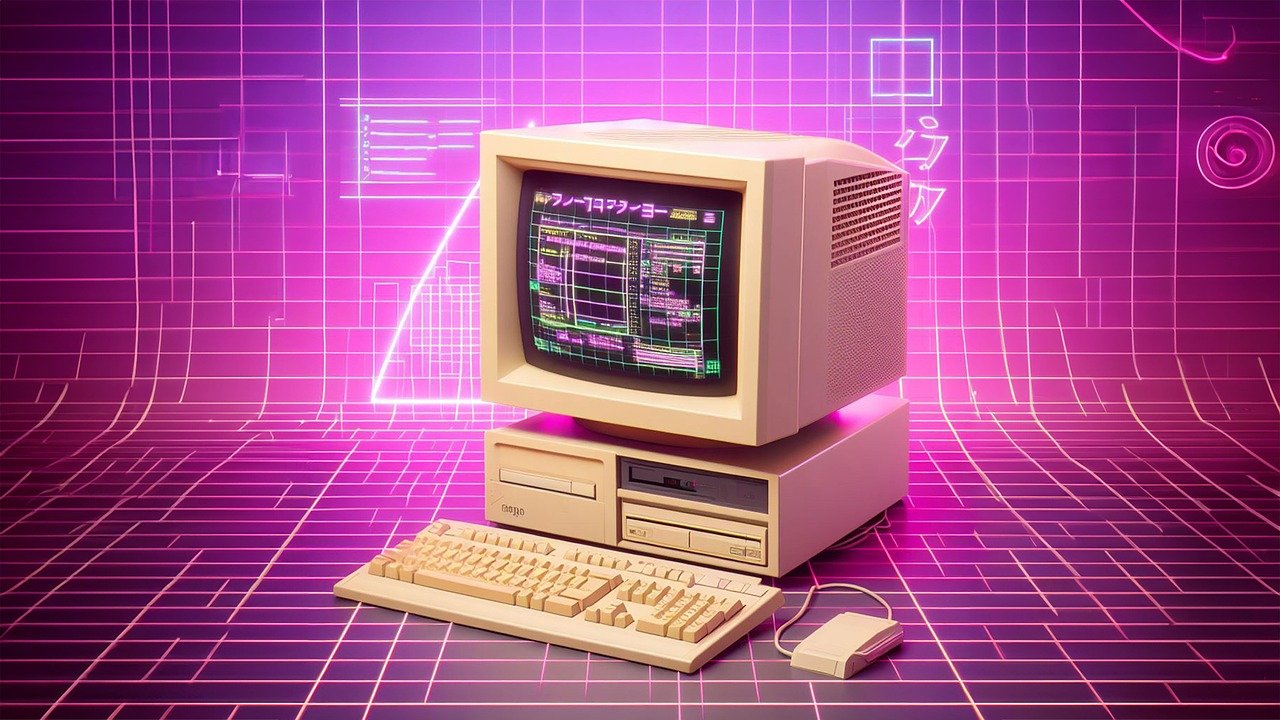
Schools didn’t initially consider computer education necessary. Computers were seen as tools for scientists and engineers, not for everyday students. However, as personal computers began to emerge in the late 1970s and 1980s, things started to change. Devices like the Apple II and IBM PC made computing more accessible to households and schools.
Suddenly, there was a need to teach students how to use these machines. Basic programming languages like BASIC and LOGO became popular in classrooms. Students were introduced to simple coding concepts, often through playful experiments. It was the beginning of a new educational movement—one that would soon reshape the world.
The Digital Revolution and Classrooms
The 1990s marked a turning point. The internet entered the scene, connecting computers across the globe. This was more than a technological upgrade—it was a revolution. Classrooms began integrating computers not just as standalone devices but as gateways to a vast network of information.
Teachers started using educational software, multimedia presentations, and online resources. Students could research topics online instead of relying solely on textbooks. Email and digital communication transformed how assignments were submitted and graded.
By the 2000s, computer labs became common in schools worldwide. Smartboards replaced chalkboards. Laptops and tablets entered classrooms. Education was no longer confined to physical books; it became interactive, visual, and dynamic.
Today, computer education is not just about learning how to use a device. It includes coding, data analysis, artificial intelligence, robotics, and digital citizenship. From bulky machines in research labs to sleek tablets in elementary classrooms, the journey of computer education reflects the rapid evolution of technology itself.
Importance of Computer Education in the Modern World
Why is computer education so important today? The answer is simple: because the world runs on technology. Almost every industry—finance, healthcare, transportation, entertainment, and even agriculture—depends on computers.
Imagine applying for a job without knowing how to use email or create a digital resume. It would be nearly impossible. Employers expect basic computer skills as a minimum requirement. In fact, many jobs now require advanced technical knowledge, such as data analysis, programming, or digital marketing.
Computer education also promotes independence. When you know how to search for information online, evaluate reliable sources, and use digital tools, you become self-sufficient. You don’t have to rely on others to complete basic tasks like online banking, booking tickets, or managing documents.
Beyond practical benefits, computer education enhances cognitive skills. Learning programming, for example, strengthens logical thinking. It teaches you to break down complex problems into smaller, manageable parts. This way of thinking is valuable not only in technology-related careers but in everyday life.
Moreover, computer education fosters global connectivity. With digital tools, students can collaborate with peers across the world, participate in virtual conferences, and access international resources. The classroom is no longer limited by walls; it extends across continents.
In a rapidly changing world, adaptability is key. Technology continues to evolve, introducing new tools and systems. Those who understand computers can adapt more easily to these changes. In essence, computer education is not just about mastering technology—it’s about preparing for the future.
Core Components of Computer Education
Computer education is not a single skill but a collection of interconnected competencies. It covers everything from basic computer operations to advanced programming and cybersecurity awareness.
Basic Computer Literacy
At the foundation of computer education lies basic computer literacy. This includes understanding how to operate a computer, use a keyboard and mouse, manage files, and navigate operating systems like Windows, macOS, or Linux.
Basic literacy also involves using common software applications such as word processors, spreadsheets, and presentation tools. These programs are essential for academic and professional tasks. For example, students use word processors to write essays, while businesses rely on spreadsheets for financial analysis.
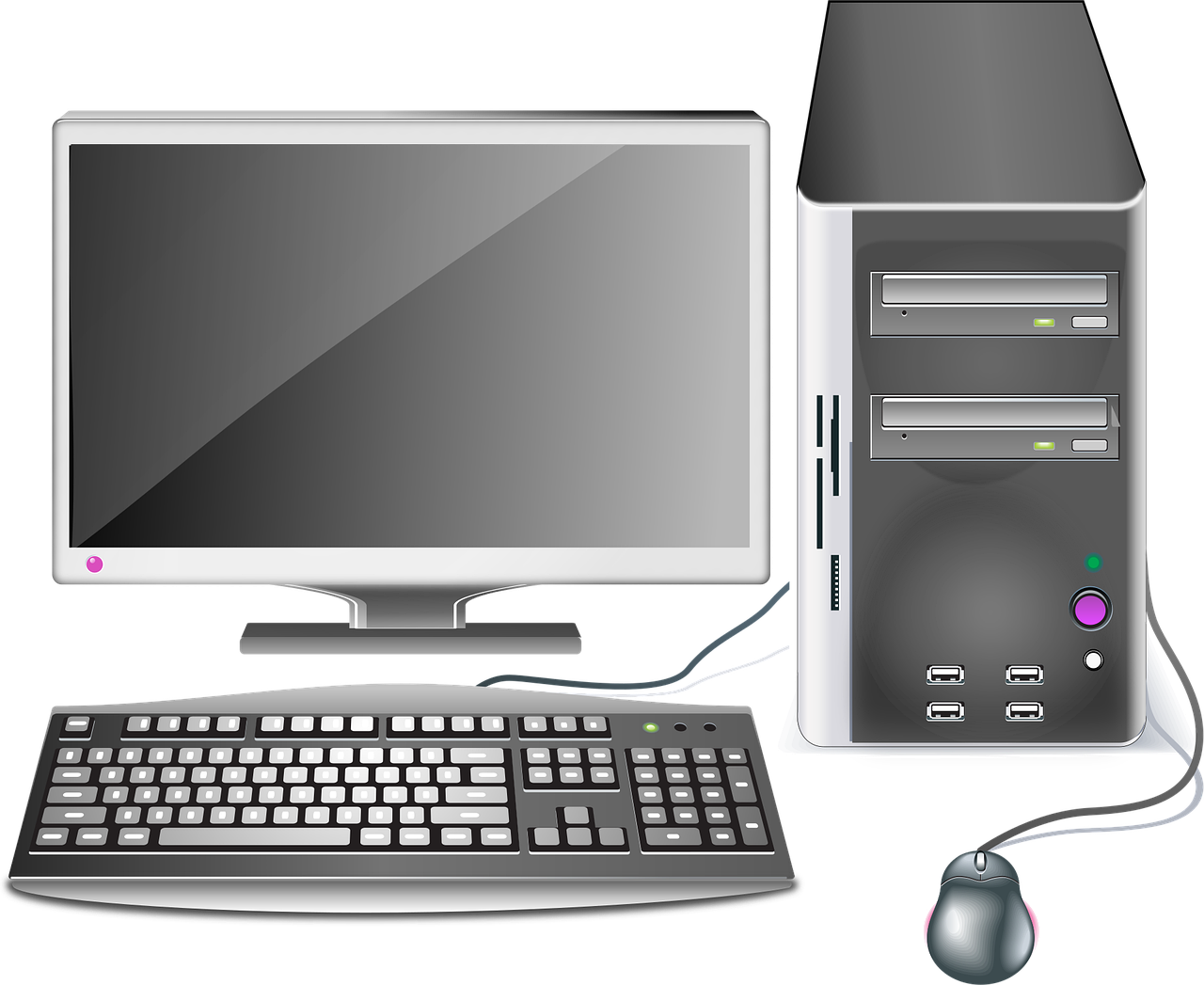
Another key aspect is understanding hardware components—knowing the difference between a monitor, CPU, keyboard, and storage devices. While users may not need to repair hardware, having a basic understanding builds confidence and reduces fear of technology.
Digital etiquette, or “netiquette,” is also part of basic literacy. This means communicating respectfully online, understanding email formats, and behaving responsibly on social media platforms.
Without basic computer literacy, advanced skills become difficult to achieve. It serves as the building block upon which all other computer knowledge is constructed.
Programming and Coding Skills
Programming is often considered the heart of computer education. If basic literacy teaches you how to use a computer, programming teaches you how to control it. It’s like the difference between driving a car and building one.
Coding involves writing instructions that tell a computer what to do. Languages such as Python, Java, C++, and JavaScript allow programmers to create software, websites, mobile apps, and games. Even simple coding exercises can sharpen analytical thinking.
Learning to code encourages creativity. Students can design their own applications, develop interactive stories, or build useful tools. It transforms them from passive users of technology into active creators.
Moreover, coding teaches resilience. Programs rarely work perfectly on the first try. Debugging—finding and fixing errors—requires patience and persistence. These qualities are valuable in every aspect of life.
As automation and artificial intelligence continue to grow, programming skills are becoming increasingly important. Many high-paying careers are rooted in coding and software development. By including programming in computer education, institutions prepare students for a future driven by innovation.
Internet and Digital Communication
The internet is like a giant digital ocean. It connects billions of devices, people, and ideas across the globe. Without understanding how to navigate it safely and effectively, you’re basically sailing without a compass. That’s why internet and digital communication skills are a critical part of computer education.
At its core, learning about the internet means understanding how it works. Students should know what browsers are, how search engines function, and how data travels from one device to another. But it doesn’t stop at technical knowledge. It’s also about using the internet wisely. Anyone can type a question into a search bar—but can you tell the difference between reliable information and fake news? That’s where digital literacy comes in.
Digital communication includes email, video conferencing, instant messaging, and social media. These tools have transformed the way we interact. A student in one country can collaborate with a partner halfway around the world in real time. Businesses hold virtual meetings without ever stepping into the same room. Families stay connected across continents with a single click.
However, with great connectivity comes great responsibility. Students must learn online etiquette—how to communicate respectfully, protect their privacy, and avoid cyberbullying. They should understand the importance of strong passwords, secure networks, and responsible sharing.
In many ways, the internet is today’s public square. It’s where ideas are exchanged, businesses are built, and communities are formed. Computer education ensures that individuals don’t just participate in this digital world—but do so confidently, safely, and responsibly.
Cybersecurity Awareness
Imagine leaving your house unlocked every time you go out. Sounds risky, right? That’s exactly what browsing the internet without cybersecurity knowledge feels like. In a world where data is more valuable than gold, cybersecurity awareness is no longer optional—it’s essential.
Computer education must teach students how to protect themselves online. Cybersecurity awareness begins with simple habits: creating strong passwords, recognizing phishing emails, avoiding suspicious downloads, and keeping software updated. These small steps can prevent major problems.
But it goes deeper than that. Students should understand how hackers operate. What is malware? How does ransomware work? Why do cybercriminals target personal data? When learners grasp these concepts, they become more cautious and informed digital citizens.
Cybersecurity also includes protecting personal information. Many people unknowingly share sensitive data on social media—birthdates, locations, phone numbers—without realizing the risks. Computer education helps individuals understand the value of their digital footprint. Once something is posted online, it can be difficult to erase.
For organizations and businesses, cybersecurity knowledge can prevent financial losses and protect customer trust. Even basic training can significantly reduce vulnerabilities.
In today’s interconnected world, cyber threats are constantly evolving. That’s why cybersecurity education must evolve too. By teaching awareness early, schools empower students to navigate the digital landscape safely. After all, in the digital age, security is just as important as skill.
Computer Education in Schools
Schools are the foundation of learning, and computer education plays a vital role in shaping young minds. Introducing technology at an early age helps students grow comfortable with digital tools, preparing them for a future where technology is everywhere.
Primary Level Computer Learning
At the primary level, computer education focuses on building familiarity and confidence. Young students are introduced to basic computer operations—how to turn a device on and off, use a mouse or touchscreen, and type simple text. These skills might seem small, but they form the groundwork for more advanced learning later.
Educational games and interactive software make learning fun and engaging. Children can practice math, reading, and problem-solving through colorful digital platforms. It’s like turning learning into an adventure rather than a chore.
Primary computer education also introduces basic internet safety. Even young children use tablets and smartphones, so teaching them not to share personal information and to seek adult guidance online is crucial.
Early exposure reduces fear of technology. Instead of seeing computers as intimidating machines, children view them as helpful tools. This confidence encourages curiosity, and curiosity fuels learning.
By planting the seeds of digital literacy at a young age, schools set students up for long-term success. It’s not about turning children into programmers overnight—it’s about making them comfortable in a digital environment.
Secondary Level and Advanced Skills
As students move into secondary school, computer education becomes more structured and skill-oriented. This is where the real transformation begins. Instead of just using computers, students start understanding how they work.
Subjects may include:
- Basic programming languages
- Web development
- Database management
- Multimedia editing
- Robotics
- Introduction to artificial intelligence
At this stage, students develop analytical thinking skills. Writing code teaches them to think logically and systematically. If a program fails, they must troubleshoot and find solutions. This process strengthens resilience and problem-solving abilities.
Secondary education also prepares students for future careers. Some may discover a passion for software development, while others might lean toward graphic design or cybersecurity. Exposure to different areas allows students to explore their interests before entering higher education.
Moreover, teamwork becomes a key component. Group projects encourage collaboration, mirroring real-world tech environments where developers work in teams.
By the time students graduate, they are not just computer users—they are digital thinkers. Secondary-level computer education equips them with both technical skills and the confidence to pursue technology-driven paths.
Computer Education in Higher Education
Higher education takes computer learning to a professional level. Universities and colleges offer specialized programs in computer science, information technology, software engineering, data science, and more. This is where students dive deep into theory and advanced practical applications.
Courses often cover:
- Advanced programming languages
- Algorithms and data structures
- Artificial intelligence and machine learning
- Cybersecurity systems
- Cloud computing
- Big data analytics
Unlike earlier stages, higher education focuses on innovation and research. Students don’t just learn existing technologies—they create new ones. They build applications, develop software systems, and conduct research that pushes technological boundaries.
Internships and real-world projects play a major role. Students gain hands-on experience by working with companies, solving real problems, and applying classroom knowledge to practical situations.
Higher education also fosters entrepreneurship. Many tech startups are born in university dorm rooms and research labs. When students understand coding, networking, and system design, they gain the power to turn ideas into reality.
In essence, computer education at the university level shapes the tech leaders of tomorrow. It transforms learners into innovators, developers, analysts, and digital architects who drive the global economy forward.

Online Learning and E-Learning Platforms
The rise of the internet has completely transformed how we learn. Online learning and e-learning platforms have made computer education accessible to anyone with a device and an internet connection. Geography is no longer a barrier. Whether you’re in a big city or a remote village, knowledge is just a click away.
Platforms like online coding bootcamps, virtual classrooms, and educational marketplaces offer courses in everything from basic computer literacy to advanced artificial intelligence. Many of these platforms provide video lectures, interactive quizzes, downloadable resources, and discussion forums. It’s like having a classroom in your pocket.
One of the biggest advantages of e-learning is flexibility. Students can learn at their own pace. Busy professionals can take evening courses. Teenagers can explore coding during school breaks. There’s no rigid schedule holding you back.
Online platforms also encourage self-discipline. Without a teacher physically present, learners must manage their own time and motivation. This builds independence and responsibility.
Additionally, e-learning often updates content faster than traditional textbooks. In the fast-moving world of technology, staying current is essential. Online platforms can quickly introduce courses on emerging topics like blockchain or machine learning.
Computer education and online learning go hand in hand. Together, they create a global, borderless classroom where anyone can upgrade their skills and stay competitive in the digital age.
Role of Teachers in Computer Education
Technology may be powerful, but teachers remain the heart of education. In computer education, their role is more important than ever. A computer can display information, but a teacher brings it to life.
Teachers guide students through complex topics, breaking them into manageable pieces. They encourage curiosity and creativity, showing students that coding isn’t just about syntax—it’s about solving problems.
Moreover, teachers act as mentors. Many students feel intimidated by programming at first. A supportive teacher can boost confidence, provide encouragement, and create a safe space for experimentation.
Teachers also stay updated with technological trends to ensure students learn relevant skills. Continuous professional development is essential in a field that changes so rapidly.
In short, while computers are the tools, teachers are the architects who shape how those tools are used. Their guidance transforms technical knowledge into meaningful learning experiences.
Benefits of Computer Education for Students
Computer education opens doors—real ones. It’s not just about learning how to type faster or create slideshows. It shapes how students think, solve problems, and see the world. In many ways, it rewires the brain to think more logically and creatively at the same time. Sounds contradictory? It’s not. That’s the magic of technology.
First, computer education enhances problem-solving skills. When students learn programming, they quickly realize that computers do exactly what they’re told—nothing more, nothing less. If something doesn’t work, they must trace the issue, analyze the code, and fix it. This habit of debugging spills over into real life. Problems become puzzles rather than obstacles.
Second, it boosts creativity. Many people assume computers are rigid machines, but they’re actually tools for imagination. Students can design websites, create animations, edit videos, build apps, or even develop games. It’s like handing someone a digital paintbrush with unlimited colors.
Third, computer education increases academic performance. Research, presentations, data analysis—all become easier with digital tools. Students can access global resources, watch tutorials, and collaborate with peers effortlessly.
Let’s not forget confidence. Mastering technology gives students a sense of empowerment. Instead of being passive consumers of apps and platforms, they become creators. That shift in mindset is powerful.
Here’s a quick overview of key benefits:
| Benefit | Impact on Students |
|---|---|
| Problem-Solving Skills | Logical and analytical thinking |
| Creativity | Ability to design and innovate |
| Career Readiness | Increased employability |
| Digital Literacy | Safe and responsible internet use |
| Confidence | Greater independence |
Ultimately, computer education doesn’t just prepare students for exams—it prepares them for life in a digital-first world.
Challenges in Implementing Computer Education
As powerful as computer education is, implementing it effectively isn’t always smooth sailing. There are real challenges that schools, institutions, and governments must address.
One major issue is lack of infrastructure. Not every school has access to modern computers, reliable internet connections, or updated software. In rural or underfunded areas, students may share a single device among many classmates. That limits hands-on experience, which is crucial for learning.
Another challenge is the digital divide. While some students grow up surrounded by technology, others may have little exposure at home. This gap can create inequality in learning outcomes. Computer education must be inclusive, ensuring equal access for all learners.
Teacher training is another hurdle. Technology evolves rapidly, and educators must constantly update their skills. Without proper training, teachers may struggle to teach advanced topics like coding or cybersecurity effectively.
Curriculum design also plays a role. If computer education focuses only on theory without practical application, students may lose interest. On the flip side, teaching only tools without explaining underlying concepts can limit deeper understanding.
Security and privacy concerns add another layer of complexity. Schools must protect student data while integrating digital platforms.
Despite these challenges, solutions exist. Governments can invest in infrastructure. Schools can partner with tech companies. Teachers can receive ongoing professional development. Addressing these barriers requires commitment—but the long-term rewards far outweigh the obstacles.
Future Trends in Computer Education
If you think computer education is advanced now, just wait. The future promises even more transformation. Technology is evolving at lightning speed, and education must keep pace.
One major trend is personalized learning powered by artificial intelligence. Imagine a system that adapts to each student’s learning style, pace, and strengths. If a student struggles with coding loops, the system provides extra practice. If another excels, it offers advanced challenges. That’s the direction we’re heading.
Another trend is immersive learning through virtual reality (VR) and augmented reality (AR). Instead of reading about computer hardware, students might virtually explore the inside of a computer. Learning becomes experiential rather than theoretical.
Gamification is also gaining popularity. Turning lessons into interactive challenges increases engagement. When students earn points or rewards for solving coding problems, motivation skyrockets.
Cloud-based education is expanding too. Students can access powerful software without expensive hardware. Everything runs online, making learning more flexible and accessible.
Let’s summarize emerging trends:
- AI-driven personalized learning
- Virtual and augmented reality classrooms
- Gamified coding platforms
- Cloud-based collaboration tools
- Integration of robotics and IoT (Internet of Things)
The future of computer education isn’t static—it’s dynamic, interactive, and highly adaptive. As technology reshapes industries, education will continue evolving to prepare students for jobs that don’t even exist yet.
Impact of Artificial Intelligence on Computer Education
Artificial Intelligence (AI) isn’t just a buzzword—it’s reshaping computer education from the inside out. Think of AI as both a subject to learn and a tool that enhances learning itself.
As a subject, AI introduces students to machine learning, neural networks, data science, and automation. These fields are no longer reserved for researchers; they’re becoming mainstream skills. Students who understand AI gain a competitive edge in the job market.
As a tool, AI transforms the classroom experience. Intelligent tutoring systems provide instant feedback. Chatbots answer student questions 24/7. Automated grading saves teachers time, allowing them to focus on personalized instruction.
AI also supports predictive analytics. Educational systems can analyze performance data to identify students who may need extra help. Early intervention improves outcomes and reduces dropout rates.
However, AI integration raises ethical questions. How do we protect data privacy? How do we ensure fairness and avoid algorithmic bias? Computer education must address these concerns, teaching students not just how to use AI—but how to use it responsibly.
In many ways, AI is like a co-pilot in education. It doesn’t replace teachers; it enhances their capabilities. The combination of human guidance and intelligent systems creates a powerful learning environment.
Career Opportunities Through Computer Education
Computer education unlocks a world of career possibilities. In fact, many of today’s highest-paying and fastest-growing jobs revolve around technology.
Here are just a few career paths:
- Software Developer
- Data Scientist
- Cybersecurity Analyst
- Web Developer
- Network Engineer
- AI Specialist
- Cloud Architect
- IT Consultant
These roles span industries. Healthcare relies on IT systems. Finance depends on data analysis. Entertainment thrives on digital design. Even agriculture uses smart technology and data monitoring.
What makes these careers attractive isn’t just salary—it’s impact. Technology professionals solve real-world problems. They build platforms that connect people, secure systems that protect data, and develop tools that improve lives.
Moreover, computer education encourages entrepreneurship. Many tech startups begin with a simple idea and a laptop. When individuals understand coding and system design, they can turn visions into products.
In a job market increasingly shaped by automation, digital skills provide stability. While machines may replace repetitive tasks, they also create new roles requiring technical expertise.
Simply put, computer education isn’t just about employment—it’s about opportunity.
How to Improve Computer Education Systems
Improving computer education requires a multi-layered approach. It’s not just about adding more computers to classrooms; it’s about creating a sustainable ecosystem.
First, governments must invest in infrastructure. Reliable internet access and modern hardware are fundamental. Without these, even the best curriculum falls short.
Second, teacher training should be continuous. Technology evolves rapidly, and educators need regular workshops and certifications to stay updated.
Third, curricula must balance theory and practice. Students should not only learn concepts but apply them through projects, internships, and competitions.
Collaboration with tech companies can also enhance learning. Industry partnerships provide real-world exposure, mentorship, and updated tools.
Finally, inclusivity should be a priority. Computer education must reach underserved communities, bridging the digital divide.
Improvement isn’t a one-time effort—it’s ongoing. As technology changes, so must education systems.
Conclusion
Computer education is more than a subject—it’s a foundation for modern life. From basic digital literacy to advanced artificial intelligence, it shapes how individuals think, work, and connect. It empowers students to move from consumers of technology to creators of innovation.
Despite challenges like infrastructure gaps and training needs, the benefits far outweigh the obstacles. With proper investment, updated curricula, and inclusive strategies, computer education can transform societies.
In a world driven by data, automation, and connectivity, those who understand technology hold the keys to the future. Computer education doesn’t just prepare students for jobs—it prepares them for a rapidly evolving world.
FAQs
1. Why is computer education important for young students?
Computer education builds digital literacy, enhances problem-solving skills, and prepares students for a technology-driven future.
2. What are the basic components of computer education?
It includes computer literacy, programming, internet skills, cybersecurity awareness, and digital communication.
3. How does computer education improve career opportunities?
It opens pathways to high-demand fields like software development, cybersecurity, data science, and artificial intelligence.
4. What challenges affect computer education implementation?
Common challenges include lack of infrastructure, digital divide, insufficient teacher training, and outdated curricula.
5. How will AI influence computer education in the future?
AI will enable personalized learning, automate administrative tasks, and introduce advanced topics like machine learning into mainstream education.
| All Courses | View List | Enroll Now |
| Mock Tests/Quizzes | View All |
| Student Registration | Register Now |
| Become an Instructor | Apply Now |
| Dashboard | Click Here |
| Student Zone | Click Here |
| Our Team | Meet the Members |
| Contact Us | Get in Touch |
| About Us | Read More |
| Knowledge Base | Click Here |
| Classes/Batches: Class 6th to 12th, BA, B.Sc, B.Com (All Subjects) — Online & Offline Available | Click Here |
| Exam Preparation: SSC, Railway, Police, Banking, TET, UPTET, CTET, and More | Click Here |
| Shree Narayan Computers & Education Center | Home Page |





Staff picks
Class 11th Commerce UP Board Notes with NCERT Solutions | PDF & MS Word
Original price was: ₹99.00.₹0.00Current price is: ₹0.00.Class 11th Humanities UP Board Notes with NCERT Solutions | PDF & MS Word
Original price was: ₹99.00.₹0.00Current price is: ₹0.00.Class 11th Science UP Board Notes with NCERT Solutions | PDF & MS Word
Original price was: ₹99.00.₹0.00Current price is: ₹0.00.Class 12th Commerce UP Board Notes with NCERT Solutions | PDF & MS Word
Original price was: ₹99.00.₹0.00Current price is: ₹0.00.